01
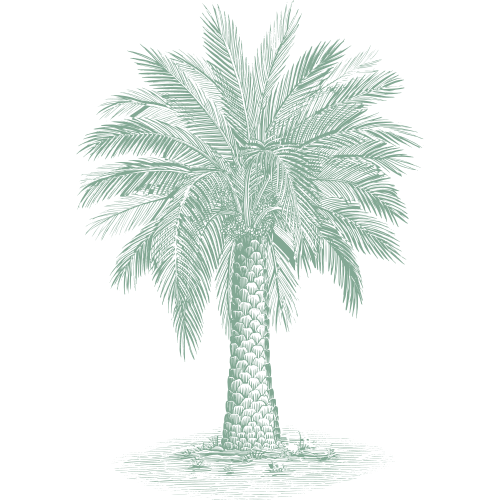
Date Palm
Phoenix dactylifera
Known as Nakhl in Arabic, the date palm is one of the UAE’s most treasured trees. Growing up to 25 metres tall, it offers generous shade with its wide canopy. Its creamy flowers bloom in late spring, and by summer, sweet dates begin to ripen - a valuable fruit enjoyed fresh or dried, and used in many traditional recipes. Birds often rest in its branches or feed on the fallen fruit.
For generations, every part of the date palm has been used in daily life: dried fronds were made into aroosh or barasti for roofing and fencing; young leaflets were woven into baskets, mats, and fans; trunks served as beams in old forts and houses; and fibres were twisted into ropes.
The date palm is also known for its many traditional medicinal uses.
For generations, every part of the date palm has been used in daily life: dried fronds were made into aroosh or barasti for roofing and fencing; young leaflets were woven into baskets, mats, and fans; trunks served as beams in old forts and houses; and fibres were twisted into ropes.
The date palm is also known for its many traditional medicinal uses.
02
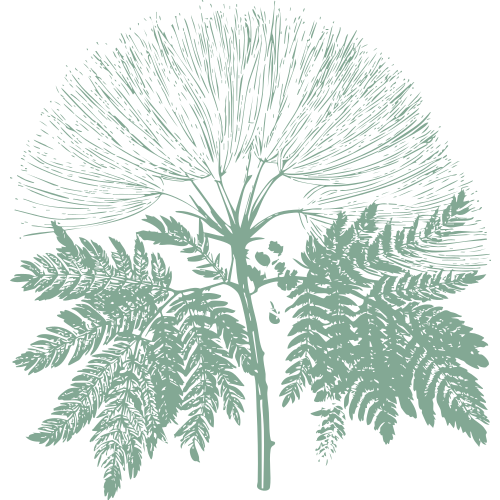
Siris Tree
Albizia lebbeck
This tall, spreading tree is known for its feathery leaves and fluffy cream-coloured flowers. It provides plenty of shade and its wide canopy makes it a favourite resting spot for birds. When the wind blows, its seed pods make a gentle rattling sound — a subtle reminder of nature at work.
03
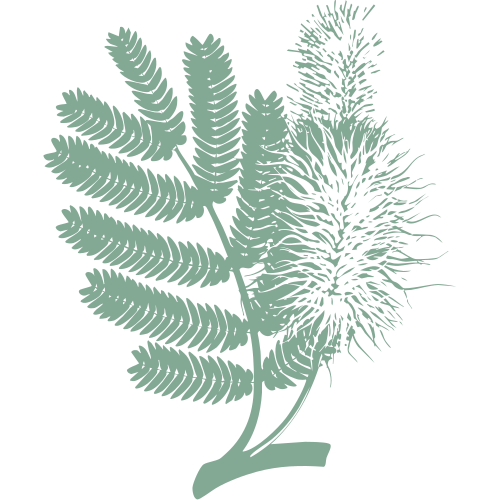
Ghaf Tree
Prosopis cineraria
The Ghaf is the UAE’s national tree and is protected for its cultural and ecological importance. It requires very little irrigation and can stay green year-round, even in harsh desert conditions.
This remarkable tree supports life in many ways: camels and other animals feed on its leaves and pods, bees collect nectar from its flowers, and birds and insects find shade and shelter in its branches. The Ghaf is a symbol of resilience and a vital part of the desert’s ecosystem.
This remarkable tree supports life in many ways: camels and other animals feed on its leaves and pods, bees collect nectar from its flowers, and birds and insects find shade and shelter in its branches. The Ghaf is a symbol of resilience and a vital part of the desert’s ecosystem.
04
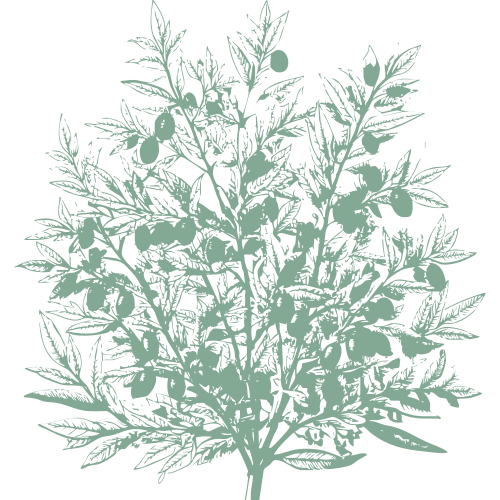
Sidr Tree
Ziziphus spina-christi
This native tree can grow up to 12 metres tall, with a wide canopy that offers welcome shade. Its small, greenish-yellow flowers have a sweet scent that attracts bees, which produce Sidr honey — prized across the region for its natural health benefits.
The tree also bears round, orange-yellow fruits that are edible and enjoyed by people, birds, and animals alike.
The tree also bears round, orange-yellow fruits that are edible and enjoyed by people, birds, and animals alike.
05
Sea Hibiscus Tree
Hibiscus tiliaceus
This coastal tree is known for its large, heart-shaped leaves and yellow flowers that deepen to red as the day goes on. It grows well near the sea and provides shade for people and habitat for birds. Its fallen leaves and flowers add colour to the ground, making it a beautiful part of the trail.

06
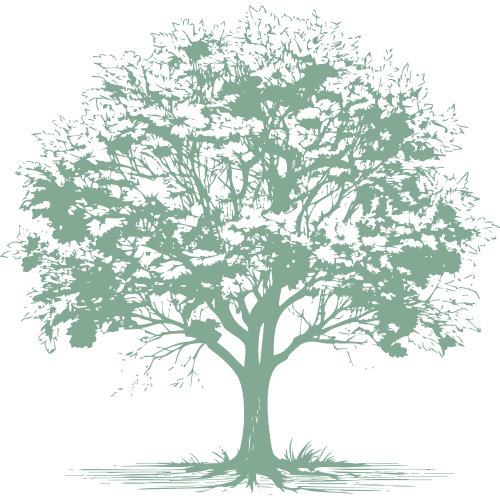
Samar Tree
Acacia arabica
This native desert tree can grow 8–10 metres tall with a canopy spread of up to 10 metres. Its strong branches form a wide, sometimes flattened crown, offering much-needed shade in wadi areas.
From October to February, it produces sweetly scented white to pale yellow puffball flowers that attract bees and butterflies. Its distinctive spiral seed pods are almost circular, with deep curves between the seeds. Acacia species are an important source of nectar and pollen for local pollinators, while birds often perch or nest among its branches.
From October to February, it produces sweetly scented white to pale yellow puffball flowers that attract bees and butterflies. Its distinctive spiral seed pods are almost circular, with deep curves between the seeds. Acacia species are an important source of nectar and pollen for local pollinators, while birds often perch or nest among its branches.
07
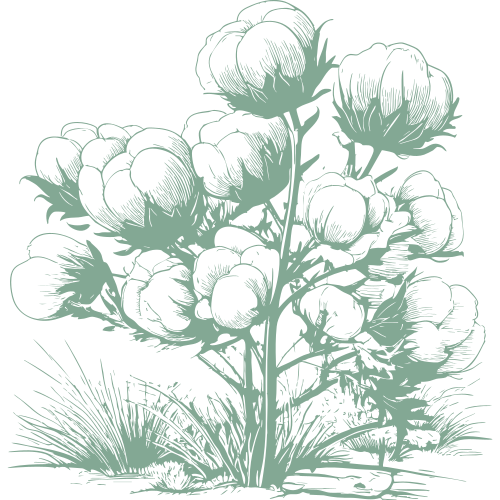
Desert Cotton
Aerva javanica
This soft, bushy plant grows naturally in the UAE’s deserts. Its woolly white flowers attract pollinators, and its dense form helps hold sandy soil in place. It also provides quiet shelter for insects and small desert animals.
Traditionally, the flowers were used to stuff pillows and mattresses, and different parts of the plant have been used in herbal remedies.
Traditionally, the flowers were used to stuff pillows and mattresses, and different parts of the plant have been used in herbal remedies.
08
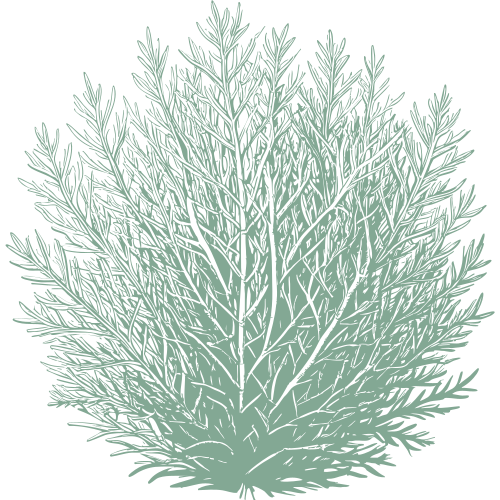
Saltbush
Atriplex halimus
This tough shrub grows well in dry, sandy, and saline soils. It plays an important role by helping prevent erosion. Its young shoots are edible, widely grazed by animals, and have even been used as a famine food in the past.
The saltbush also supports biodiversity by providing larval food for certain butterflies.
The saltbush also supports biodiversity by providing larval food for certain butterflies.

09
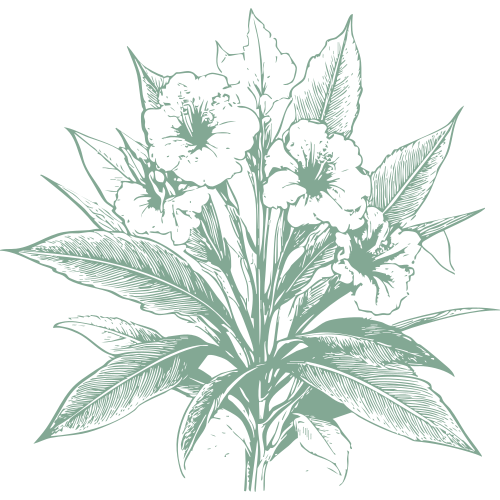
Texas Sage
Leucophyllum frutescens
Also known as Texas Ranger, this hardy shrub is loved for its silvery leaves and purple-pink flowers. It thrives in hot, dry weather and often blooms after rain. The flowers attract bees and butterflies, making it a helpful plant for supporting local pollinators.
10
Wild Petunia
Ruella ciliosa
This low-growing plant produces delicate purple flowers that bloom in the sun. It attracts bees and butterflies, helping pollinators thrive. Ruellia’s soft petals and small shape make it an easy favourite along the path.
11
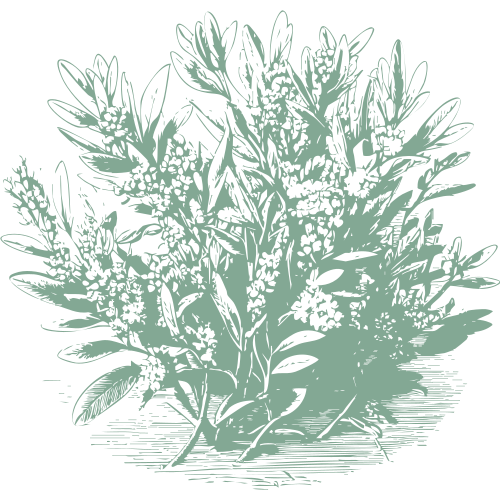
Beach Vitex
Vitex Rotundifolia
With its round leaves and soft purple flowers, this hardy plant spreads low to the ground and is well suited to the sandy soil near the Creek. It helps prevent erosion and offers a resting spot for insects and other small creatures.
12
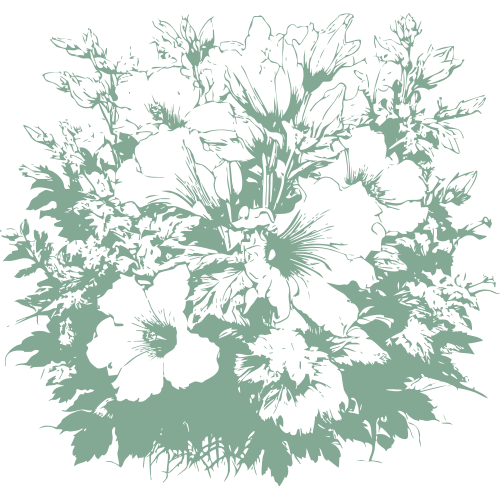
Sea Hibiscus Hedge
Hibiscus Tiliaceus Hedge
This coastal shrub forms a lush, natural hedge with large, heart-shaped leaves and distinctive yellow flowers that gradually turn red as the day progresses. Thriving in warm, waterfront environments, the sea hibiscus provides shade, shelter, and nesting spots for birds. Its fallen leaves and blooms bring seasonal colour to the trail, making it a vibrant and resilient feature of the landscape.